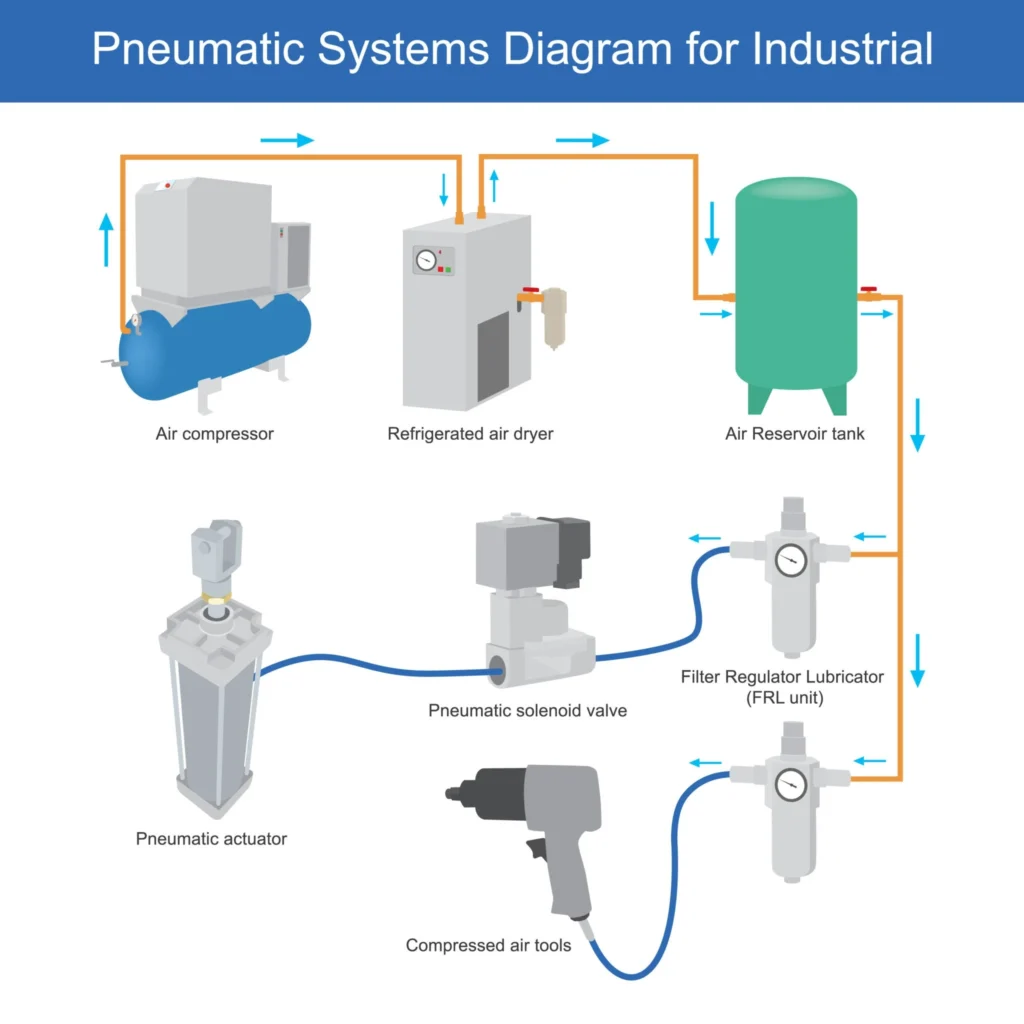
Industrial air dryers can be divided into two types based on their working principles: refrigerated air dryers and desiccant air dryers. Both types are widely used in industrial production, but no single type of dryer can be suitable for all working conditions. Therefore, factors such as the required level of dryness (pressure dew point), ambient temperature, inlet temperature, operating pressure, investment cost, operating cost, and maintenance cost must be considered when selecting the appropriate equipment or combination of equipment to meet the requirements of the production process.
From the point of view of performance requirements
Refrigerated compressed air dryers are designed to maintain a dew point of 3-10℃, but their performance can be greatly affected by changes in ambient temperature and operating conditions, often resulting in the production of liquid water at the outlet. This can have serious implications for safety and product quality. While these dryers may have a lower overall cost, their effectiveness and lifespan are often subpar, with frequent breakdowns of the condenser and evaporator leading to high maintenance costs.
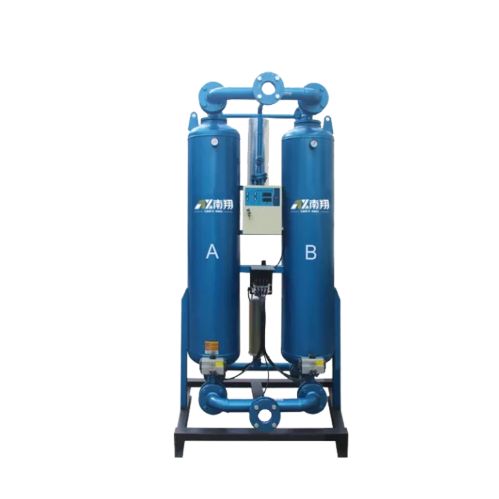
A desiccant air dryer is a type of machine that removes moisture from compressed air. It works by using a desiccant material, such as silica gel, to absorb the moisture from the air. The pressure dew point of this type of dryer can range from -20 to -70 degrees Celsius, making it more effective than a refrigerated air dryer. However, traditional dual-tower desiccant air dryers have high energy consumption, unstable drying performance, and require frequent desiccant replacement, which limits their widespread use due to high overall costs.
From the perspective of the installation environment
Desiccant dryers are better suited for the environment than refrigerated dryers, as they do not use refrigerants that can harm the ozone layer. However, when selecting an desiccant dryer, it is important to consider the impact of high ambient temperatures on the compressed air pressure dew point. If the temperature exceeds 40 degrees Celsius, a pre-cooling device should be added to the front end of the dryer to ensure optimal performance.
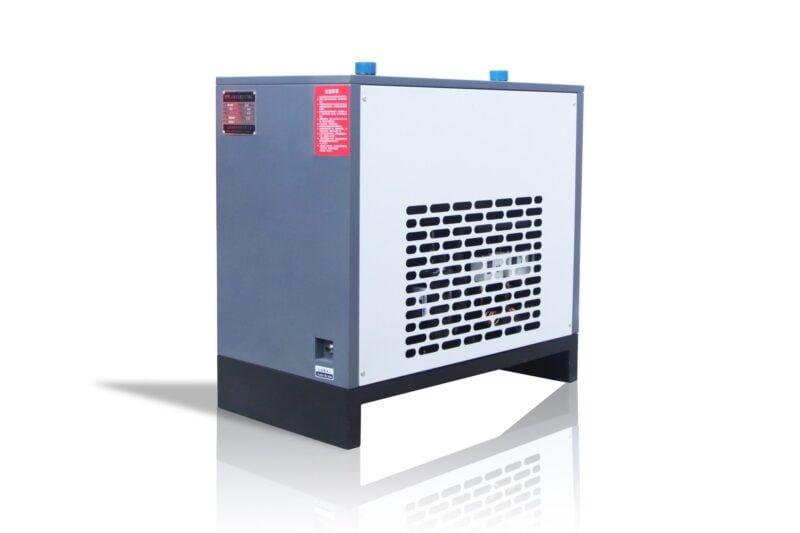
Air dryers are sensitive to environmental temperatures. If the temperature is too high or too low, it can affect the operation of the equipment. High temperatures can cause the refrigerant condensation pressure of the air-cooled dryer to increase, resulting in a decrease in cooling capacity, which can directly affect the pressure dew point of the dryer. On the other hand, low temperatures, especially below 0℃, can cause ice blockages when draining the condensate from the air dryer.
Beyond the Binary: Hybrid Solutions and the Often-Overlooked Filters
The Argument for a Hybrid Approach It is interesting to observe how many facilities feel locked into choosing just one technology, often resulting in an “all or nothing” energy bill. There is a growing trend, however, toward combining these systems—putting a refrigerated dryer in front of a desiccant one—which sounds expensive initially but tends to pay for itself surprisingly fast in large-scale operations. By letting the cheaper-to-run refrigerated unit knock out the bulk of the moisture (bringing the air down to about 3℃), the desiccant dryer doesn’t have to work nearly as hard to handle the rest, significantly extending the lifespan of the desiccant beads and reducing the purge air loss. It’s a bit of a compromise, sure, but it avoids the massive energy drain of running a desiccant system at full bore during months when the weather is mild and the extra drying power isn’t strictly necessary.
Don’t Blame the Dryer for Filter Failures Another thing that frequently flies under the radar is the critical role of pre- and post-filtration; people often blame the dryer for poor performance when the real culprit is actually oil contamination. If an oil-lubricated compressor is used without adequate oil removal filters upstream, that oil eventually coats the desiccant material (silica gel or activated alumina), rendering it essentially useless because it can no longer absorb moisture through that oily layer. It is a messy, expensive problem to fix. So, while obsessing over dew points and energy costs is valid, forgetting to budget for high-quality coalescing filters is usually where the system fails first. A dryer is only as good as the protection you put in front of it.
From a comprehensive comparison point of view
| Feature | How It Works | Primary Benefit |
|---|---|---|
| Air Inlet Muffler | Installed at the suction end to dampen airflow. | Reduces low-frequency intake noise. |
| Internal Shock Absorption | Custom shock absorption based on machine weight/frequency. | Smoother operation and less mechanical vibration. |
| Reinforced Base | Heavy-duty shock-absorbing base structure. | Prevents vibration from transferring to the floor. |
| Intelligent Permanent Magnet Motor | Variable frequency operation below rated speeds. | Smooth starts and reduced mechanical wear. |
| High-Quality Fans | Precision-engineered blades to prevent friction/rubbing. | Eliminates high-pitched fan noise. |
| Fully Enclosed Box | Thick sound insulation cotton lining the casing panels. | Prevents internal noise from escaping. |
| Imported Pure Lubricating Oil | High-quality lubrication to reduce internal friction. | Quieter operation and longer machine life. |
| Optimized Piping | Anti-vibration measures for exhaust pipes to storage tanks. | Reduces noise radiation from pressure pulsations. |
| Independent Room | Separate room with soundproof doors and ventilation. | Isolates noise from the main working environment. |
The Bottom Line: It’s About Tolerance, Not Just Specs
At the end of the day, choosing between a refrigerated and a desiccant dryer—or even a combination of the two—isn’t really a black-and-white decision found in a catalogue. It usually comes down to an honest assessment of what the production line can actually tolerate versus how much budget is available for the monthly electric bill, rather than just looking at the initial sticker price of the machine. It is easy to get caught up in chasing the lowest possible dew point or the cheapest equipment, but the most successful systems are usually the ones designed with a bit of a buffer for reality—handling those hot summer days or the occasional missed maintenance cycle without shutting down the whole plant. Whether it is a simple setup or a complex hybrid system, the goal is just keeping the air clean enough to keep the tools running, without turning the compressor room into a money pit.