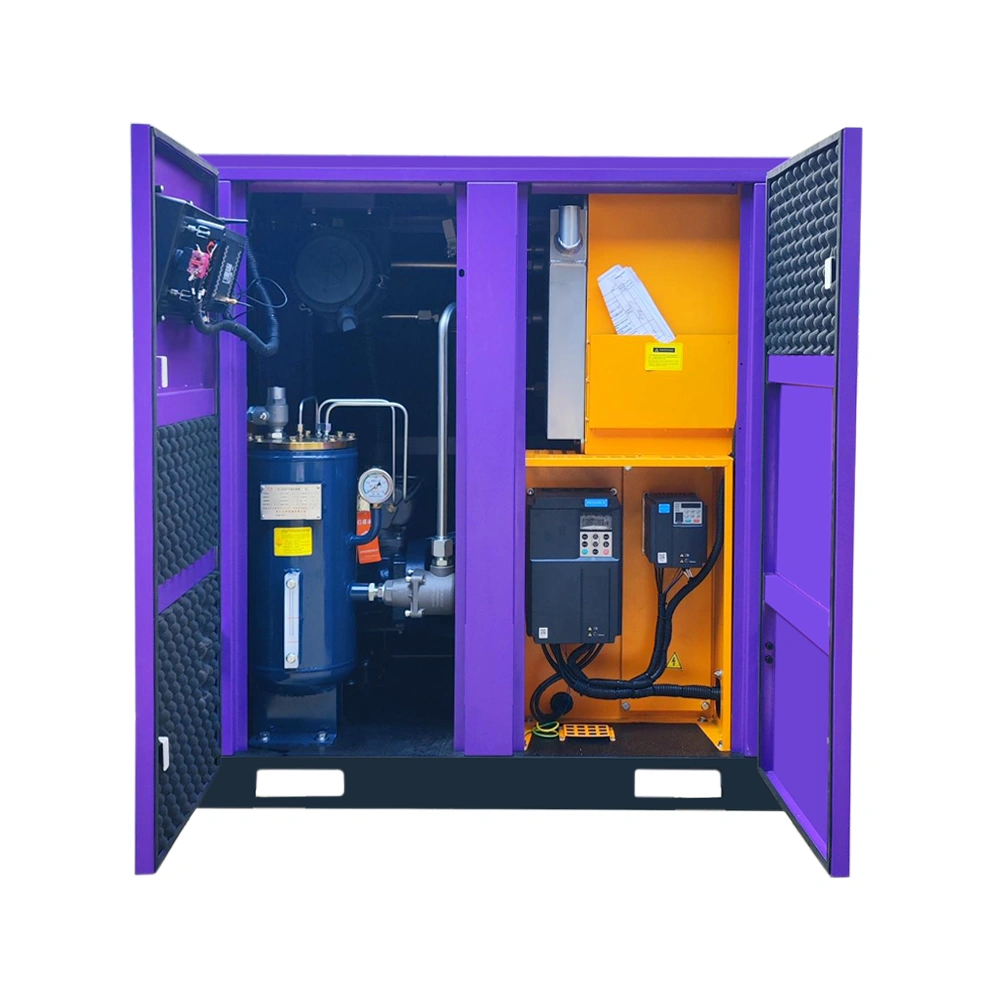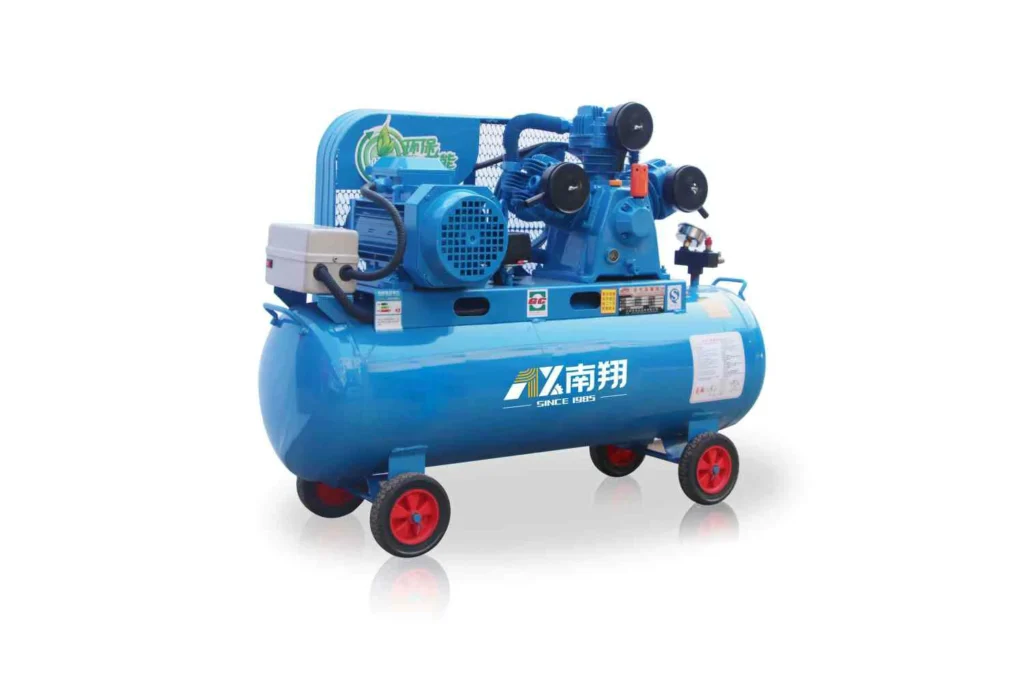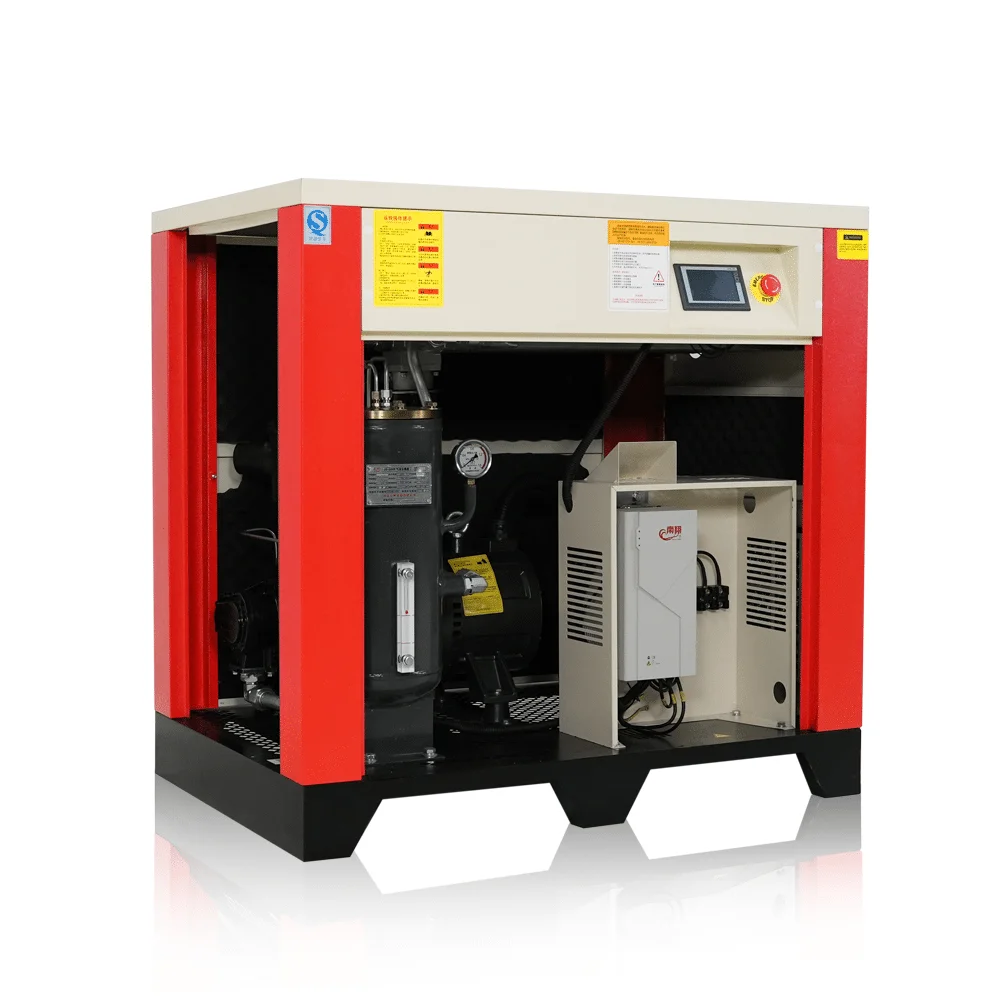
Non sapete quale dimensione del serbatoio del compressore d'aria scegliere? Questo articolo fornisce una guida passo passo per aiutarvi a scegliere il serbatoio del compressore d'aria più adatto alle vostre esigenze.
When it comes to choosing an air compressor tank, size matters. The right size tank can make all the difference in the efficiency and effectiveness of your air compressor. But with so many options available, how do you know which air compressor tank to choose? This article provides a step-by-step guide to help you select the perfect air compressor tank size for your needs.
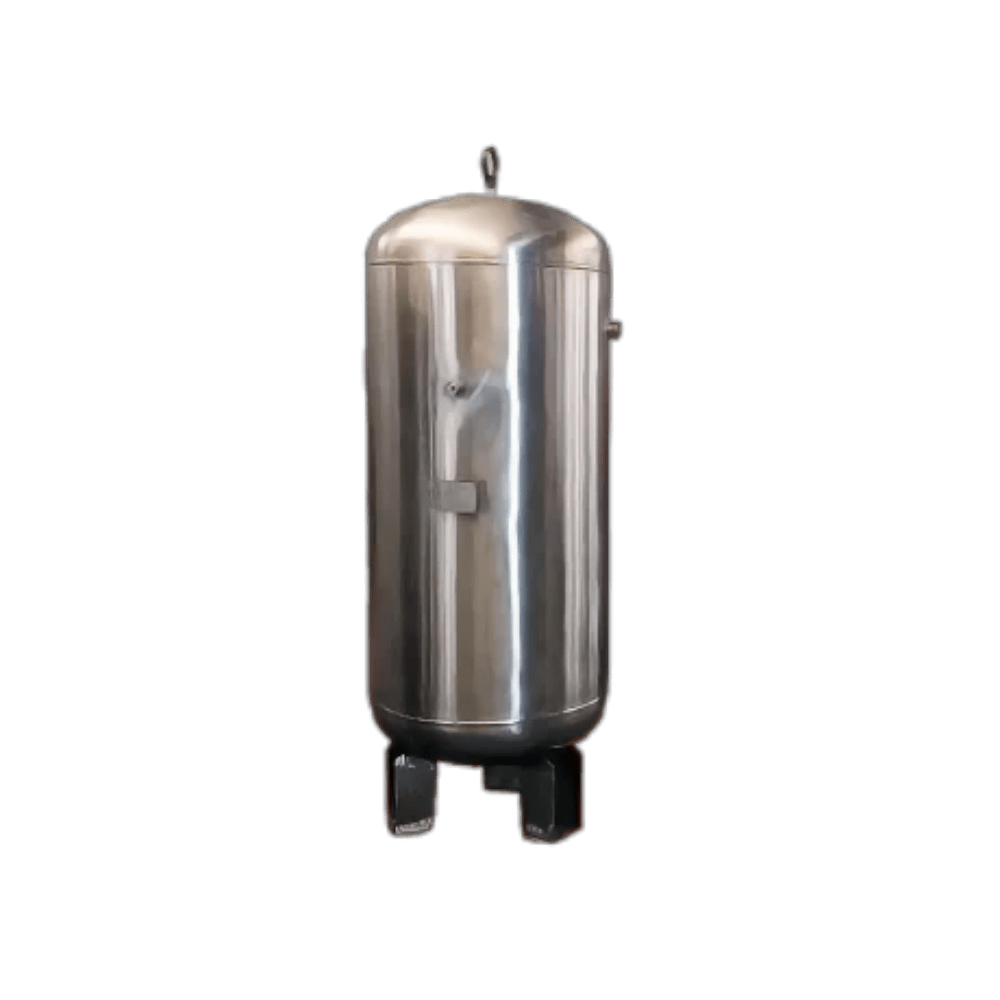
Determinare i requisiti degli utensili pneumatici.
Il primo passo per scegliere le dimensioni del serbatoio del compressore d'aria è determinare i requisiti degli utensili pneumatici. Per funzionare in modo efficace, utensili pneumatici diversi richiedono quantità diverse di flusso d'aria e di pressione. Controllare le specifiche del produttore per ogni utensile che si intende utilizzare e prendere nota dei valori CFM (piedi cubi al minuto) e PSI (libbre per pollice quadrato) richiesti. Una volta ottenute queste informazioni, si può calcolare la dimensione minima del serbatoio necessaria per alimentare gli utensili.
Why Tank Size Actually Matters
The air compressor tank serves as a reservoir, storing compressed air for use between pump cycles. Its size directly affects how the system performs under real working conditions.
What happens with undersized tanks
Small tanks create several problems:
• Compressor motor runs almost continuously
• Pressure fluctuates noticeably during use
• Tools receive inconsistent air supply
• Equipment wears out faster from excessive cycling
• Energy consumption increases over time
Benefits of proper sizing
A correctly sized air compressor tank provides stable pressure, reduces motor cycling, and extends equipment lifespan. The compressor works less hard, which typically means lower electricity bills and fewer repairs. There’s also the practical matter of not waiting around for pressure to build back up between tasks.
Factors That Influence Tank Size Selection
No single formula works for everyone. Several variables affect what size makes sense for a particular situation.
Tool requirements
Different tools demand vastly different air volumes. A small brad nailer might need just 0.5 CFM, while a sandblaster could require 15 CFM or more. Understanding what tools will actually be used—and how often—forms the foundation of proper sizing.
| Tool Type | Typical CFM Requirement | Usage Pattern |
|---|---|---|
| Chiodatrice Brad | 0.3–0.5 CFM | Intermittente |
| Finish nailer | 1–2 CFM | Intermittente |
| Impact wrench | 4–6 CFM | Intermittent to moderate |
| Spruzzatore di vernice | 6–10 CFM | Continuous during use |
| Sabbiatrice | 10–20+ CFM | Continuo |
| Die grinder | 4–8 CFM | Continuo |
The pattern matters as much as the raw numbers. Intermittent tools allow recovery time between bursts; continuous-use tools keep demanding air without pause.
Duty cycle considerations
Duty cycle refers to how long a compressor can run versus how long it needs to rest. Most consumer and light commercial compressors have 50-75% duty cycles—meaning they shouldn’t run constantly. A larger air compressor tank compensates by storing more air, reducing how often the motor kicks on.
Treatment Equipment and Air Quality
Tank sizing doesn’t exist in isolation—treatment equipment plays a significant role in overall system performance. The air stored in any air compressor tank needs proper conditioning before reaching sensitive tools or processes.
Essential treatment equipment
Several components work together to ensure clean, dry air delivery:
• Air dryers: Remove moisture that accumulates during compression
• Filters: Capture particulates, oil aerosols, and contaminants
• Regulators: Maintain consistent downstream pressure
• Separators: Remove bulk liquids before they reach dryers
Each piece of treatment equipment introduces some pressure drop. This matters for sizing because the system needs to compensate—either through higher initial pressure or larger tank capacity to maintain usable output.
How treatment equipment affects tank sizing
Treatment equipment creates backpressure and flow restrictions. A marginally sized air compressor tank might perform fine without filtration but struggle once proper treatment equipment gets installed. Planning for these additions from the start avoids surprises later. Generally, adding 10-15% extra capacity accounts for treatment equipment losses in most setups.
Matching components properly
The air compressor tank, treatment equipment, and distribution system should work as an integrated whole. Oversizing one component while undersizing another creates bottlenecks. A common mistake involves installing excellent treatment equipment but using an undersized tank that can’t maintain adequate flow through the system.
Calculate Your CFM Needs
Steps for estimation
List all pneumatic tools that might be used
2. Note CFM requirements for each (usually found on tool specifications)
3. Identify which tools might run simultaneously
4. Add those concurrent CFM values together
5. Multiply by 1.25-1.5 to build in safety margin
This gives a target CFM output. The air compressor tank size should then support that demand without excessive cycling.
A rough sizing guideline
Here’s a general relationship between tank size and typical applications:
• Under 6 gallons: Very light duty—inflating tires, small nailers occasionally
• 6-20 gallons: Home workshop basics—nailers, staplers, light spraying
• 20-60 gallons: Serious hobby work or light commercial—multiple tools, spray painting
• 60-80+ gallons: Professional shops—automotive work, continuous tool operation
These ranges aren’t absolute rules. Someone running a single high-demand tool might need larger capacity than someone using several light-duty tools.
Practical Considerations Beyond Size
Tank capacity matters, but other factors affect the decision too.
Space and portability
Larger tanks take up more room—obvious, but worth remembering. Vertical tanks save floor space compared to horizontal designs. Portable units sacrifice capacity for mobility. Workshop layout sometimes constrains options more than air demand does.
Future needs
Buying slightly larger than current needs often makes sense. Adding tools later or expanding operations becomes easier when the air compressor tank already has extra capacity. Upgrading later costs more than sizing appropriately upfront.
Budget realities
Bigger tanks cost more. The question becomes whether that extra cost delivers proportional value. For occasional home use, probably not. For daily professional work, almost certainly yes.
Selecting Air Compressor Tanks by Material
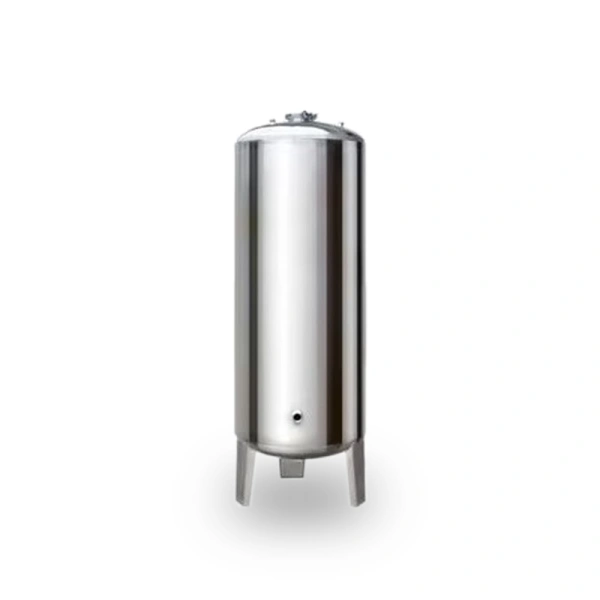
Air compressor tanks can be divided into carbon steel tanks, low-alloy steel tanks, and stainless steel tanks depending on the selected material. They are used in conjunction with equipment such as air compressors, refrigerated dryers, and filters to form a power source for compressed air stations in industrial production. Most industries choose carbon steel tanks and low-alloy steel tanks (low-alloy steel tanks have higher yield strength and toughness than carbon steel tanks, and are relatively more expensive); stainless steel tanks are mainly used in the food industry, medical and pharmaceutical industries, chemical industry, microelectronics, and other industries that require high comprehensive performance (corrosion resistance and formability) of equipment and machinery. Users can choose according to their actual situation.
Common Mistakes to Avoid
Several errors show up repeatedly when people select tank sizes:
• Focusing only on price without considering long-term operating costs
• Ignoring duty cycle limitations of smaller units
• Underestimating actual tool usage patterns
• Forgetting about leaks in air lines (which waste capacity)
• Assuming the biggest option is automatically best
Domande frequenti
Can a tank be too large for a compressor?
Not really—though an oversized tank takes longer to initially fill and may indicate mismatched components.
Does tank shape affect performance?
Shape doesn’t impact air storage capacity, but vertical tanks save floor space in tight workshops.
How often should an air compressor tank be drained?
Drain moisture after each use or at least weekly to prevent rust and contamination inside the tank.