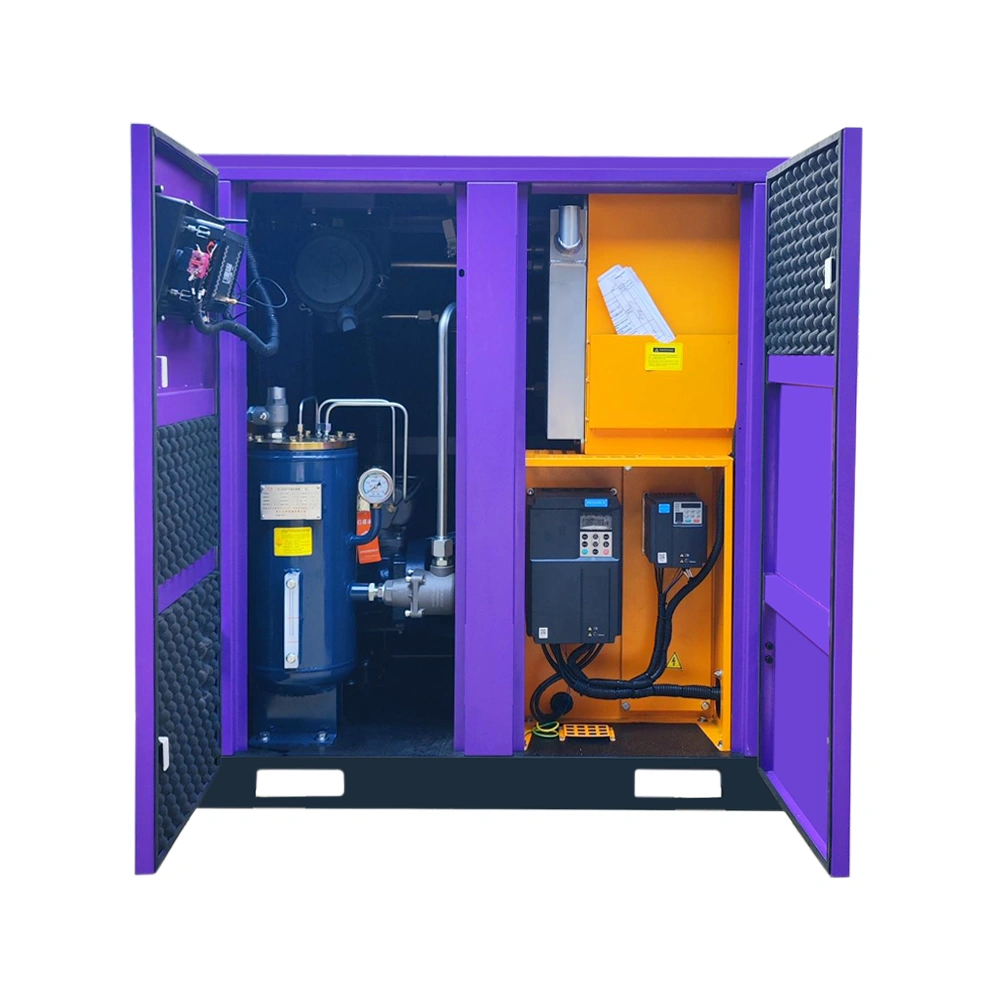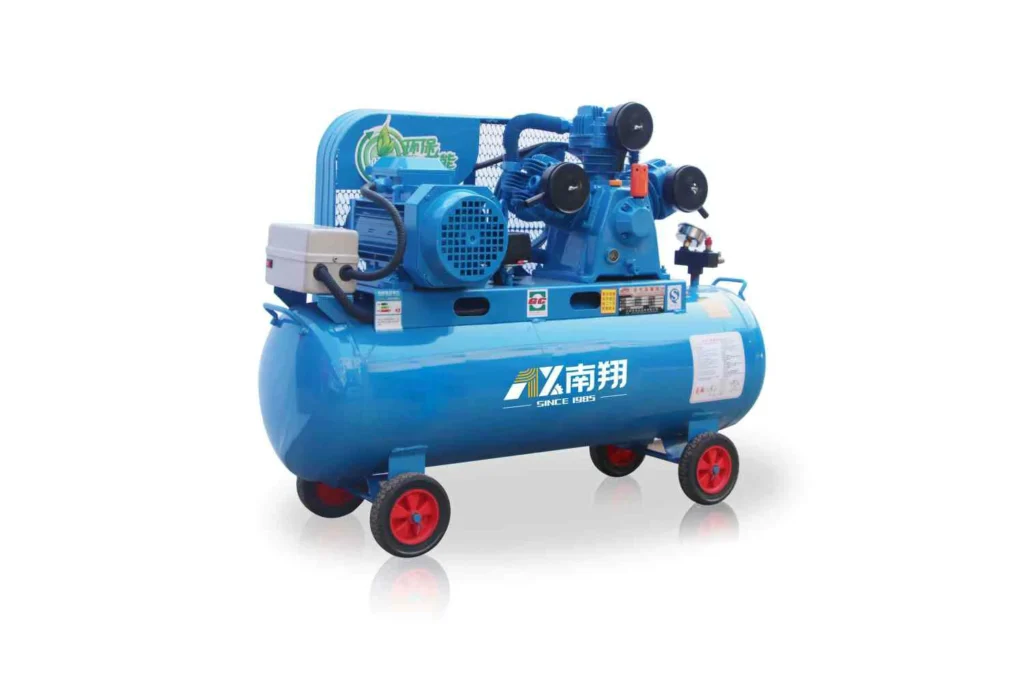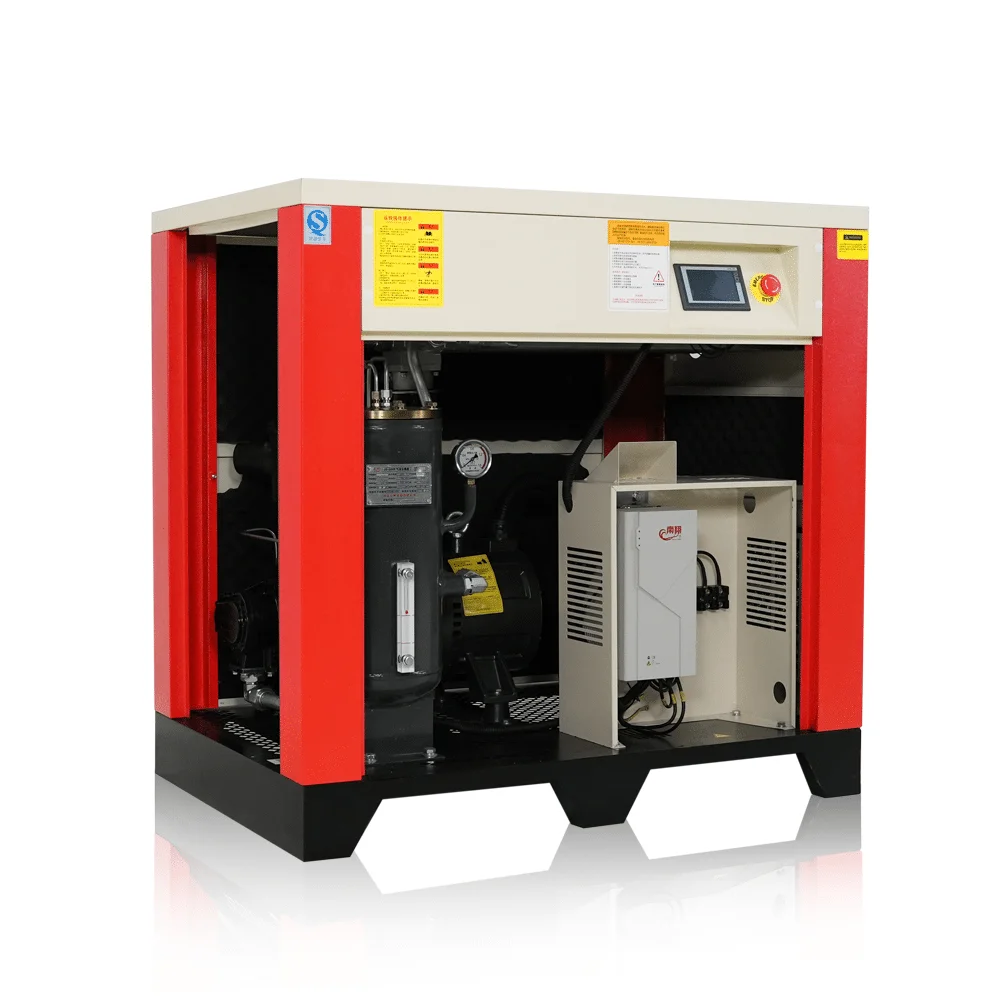
Step onto any active food production floor, and the underlying hum of pneumatic equipment is impossible to miss. It powers almost everything. But finding a reliable air compressor for food isn’t quite the same as buying one for a standard manufacturing plant or a mechanic’s garage. The stakes are simply higher when dealing with consumables, and the margin for error is virtually nonexistent.
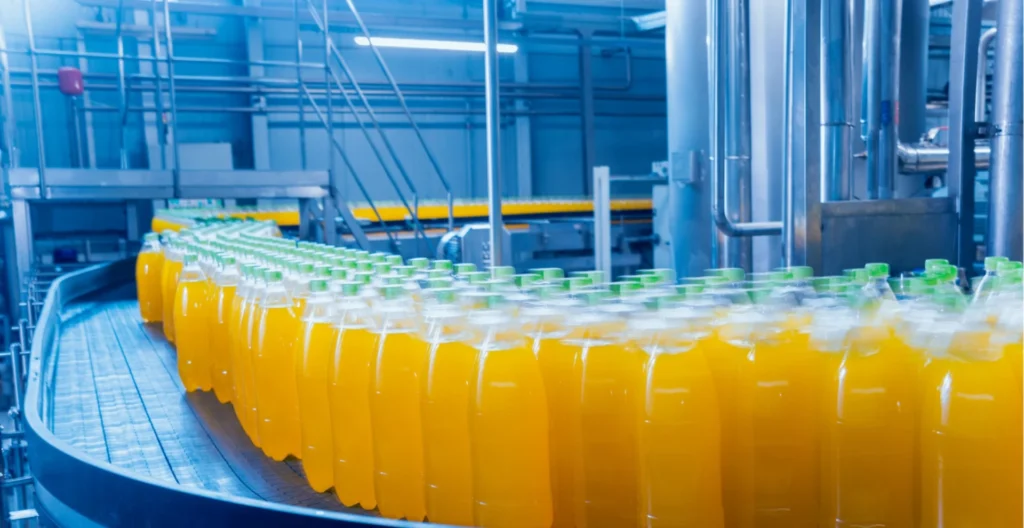
The Real Role of Compressed Air in the Industry
It is surprisingly easy to overlook just how much compressed air is used before a product actually hits the grocery store shelf. In many cases, the air comes into direct contact with the food itself (or the inside of its packaging).
Common daily applications usually include:
- Pneumatic Conveying: Moving bulk raw ingredients like flour, grains, or sugar safely through closed tubes.
- Mixing and Agitation: Keeping liquid ingredients blending smoothly and consistently.
- Cleaning and Drying: Using high-pressure air knives to gently blow off crumbs, debris, or excess moisture from washed produce.
- Packaging: Inflating bags (like typical potato chip bags) to protect contents or forming PET bottles before filling.
Because of this frequent, direct contact, maintaining absolute hygiene isn’t just a nice-to-have feature on a spec sheet—it is the entire ballgame.
Breaking Down the Selection Process
When it’s time to upgrade or install a completely new system, staring at equipment catalogs can feel a bit overwhelming. There are a few non-negotiable factors to keep in mind to ensure the setup remains compliant, safe, and efficient.
1. The Oil-Free Requirement (ISO 8573-1 Class 0)
This is arguably the single most critical detail to get right. Standard industrial compressors rely on oil for lubrication, and tiny, aerosolized oil drops can easily slip past standard inline filters. If a microscopic drop of compressor oil ends up in a batch of baked goods or a beverage vat, that is a massive, expensive recall waiting to happen.
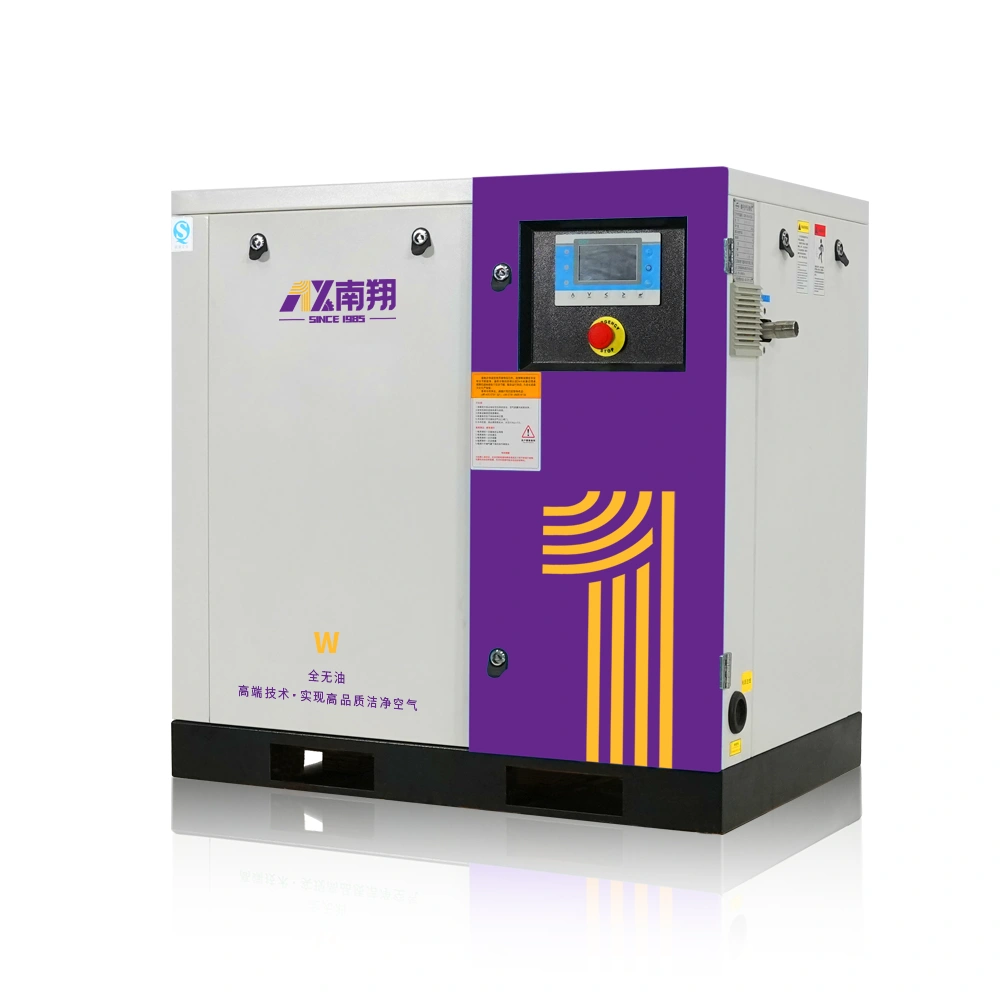
Choosing an oil-free air compressor for food applications eliminates this risk right at the source. It guarantees 100% pure air (often certified as ISO 8573-1 Class 0). While the initial investment might be slightly higher upfront, the long-term peace of mind regarding strict food safety regulations usually justifies the price tag.
2. Getting the Sizing Right: CFM and PSI
Bigger isn’t always better in the world of pneumatics. An oversized unit wastes a tremendous amount of electricity turning on and off, while an undersized one will constantly struggle, leading to frustrating pressure drops on the line.
To avoid this, a basic calculation helps:
- First, calculate the total CFM (Cubic Feet per Minute) required by adding up the maximum air consumption of all pneumatic tools and machines running simultaneously.
- Add a 20% to 25% safety buffer for future expansion or the inevitable minor air leaks that develop over time.
- Check the required PSI (Pounds per Square Inch) for the single most demanding piece of equipment on the production line, and ensure the compressor can meet that specific peak.
3. Tackling the Moisture Problem (Air Dryers)
Even with an entirely oil-free machine, there is another silent enemy in food processing: water. Ambient air naturally holds moisture. When that air is compressed and then cools down as it travels through the facility’s pipes, it condenses into liquid water.
In a food plant, warm, damp airlines are basically breeding grounds for bacteria and mold. Therefore, pairing the compressor with the right air dryer is just as important as the compressor itself.
- Refrigerated Dryers: Good for general food packaging where extreme dryness isn’t mandatory.
- Desiccant Dryers: Almost mandatory for dry ingredient handling (like milk powders, spices, or flour), as they bring the pressure dew point down to extremely low, sub-zero levels to prevent clumping and microbial growth.
4. The Importance of Piping Materials
It is surprisingly common to see a top-tier, hospital-grade air compressor hooked up to old, degrading black iron pipes. The issue here is that rust and pipe scale will eventually flake off inside the pipes.
If the goal is truly clean air, the delivery system matters. Investing in stainless steel or specialized anodized aluminum piping is usually the way to go. It keeps the pristine air actually pristine all the way from the compressor room to the point of use.
5. Energy Efficiency and Smart Controls
Energy bills can eat into facility profit margins pretty quickly. Compressors equipped with Variable Speed Drive (VSD) technology are usually a smart play for food plants with shifting production schedules. Instead of running full-throttle all day regardless of actual need, they automatically adjust the motor speed to match the fluctuating air demand perfectly.
| Compressor Type | Risk of Contamination | Routine Maintenance | Best Fit For |
|---|---|---|---|
| Oil-Free (Class 0) | Zero | Lower (no complex oil filter changes required) | Direct food contact, primary packaging, mixing |
| Oil-Injected (with heavy filtration) | Low to Moderate (highly dependent on filter upkeep) | High (frequent filter monitoring and replacement) | General plant air, non-contact machinery operation |
6. Noise Levels and Placement
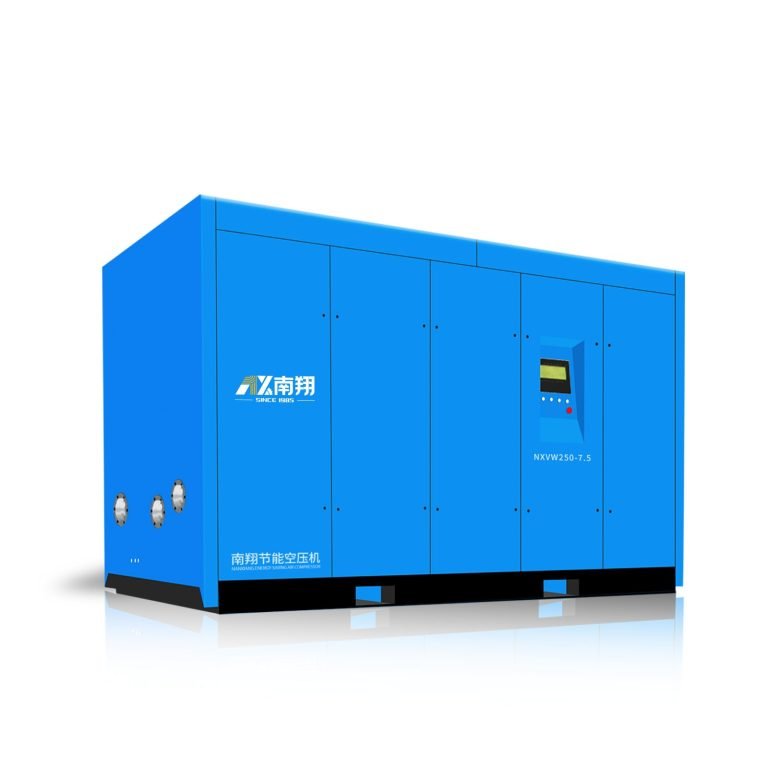
Compressors are inherently loud machines. In a busy, echo-filled food facility, adding to the ambient noise level can be a real safety hazard for floor workers. Choosing a rotary screw model with a heavy-duty sound-dampening enclosure—or at least planning for a dedicated, well-ventilated compressor room away from the main processing floor—is a practical detail that sometimes gets forgotten until the machine is finally turned on.
Final Thoughts
At the end of the day, the compressed air system acts as the lungs of a modern food production facility. Taking the extra time to evaluate strict hygiene standards, realistic energy consumption, proper air drying, and precise sizing is simply good business practice. Whether outfitting a boutique commercial bakery or a massive, high-speed bottling plant, prioritizing clean, reliable air keeps operations running smoothly and keeps consumers safe.
For high-quality, compliant solutions designed to meet these exact industry standards, exploring the specialized equipment range at nxcompressor.com can provide the right fit to optimize any food processing setup.